
Silica Dust – The Invisible Risk We Refuse to Ignore

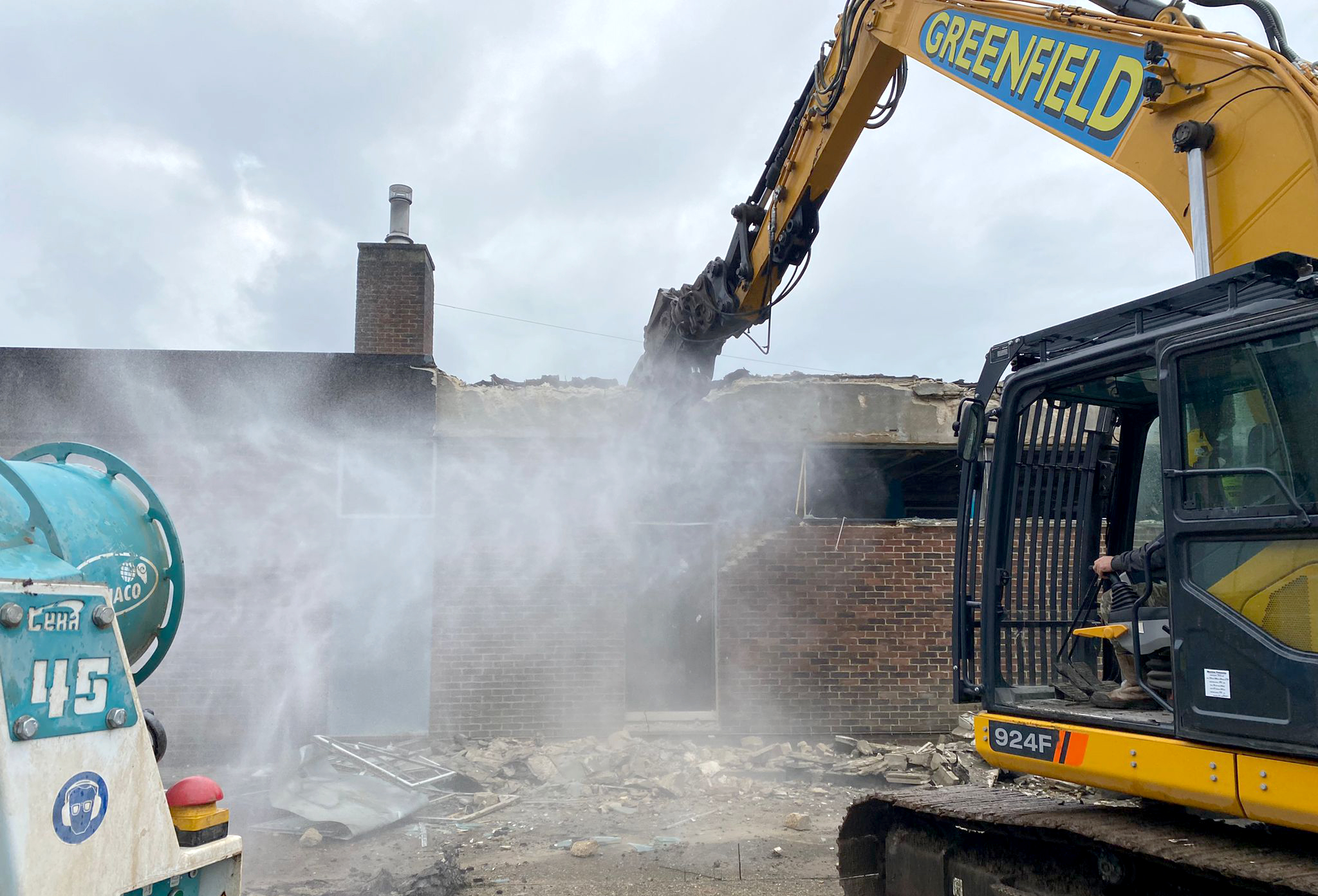
At Greenfield Demolition, we deal with risk every day. Some risks are obvious – heavy plant, unstable structures, working at height. Others are far less visible but no less dangerous. Silica dust is one of them.
It doesn’t make noise. It doesn’t cause immediate harm. And because you often can’t see it, it’s easy to underestimate. But the long-term consequences of uncontrolled silica exposure are serious, irreversible, and entirely preventable if managed properly.
As an industry, demolition has made real progress on safety over the years. However, occupational health risks like silica dust still require constant attention, strong leadership, and a willingness to slow down when needed.
This article explains what silica dust is, how it is created, where it arises during demolition works, and how we at Greenfield Demolition work to control it.
What Is Silica Dust?
Silica dust is created from respirable crystalline silica (RCS). Crystalline silica is a natural substance found in many construction materials, including:
- Concrete
- Bricks and blocks
- Mortar
- Stone and masonry
- Tiles and screed
When these materials are cut, broken, drilled, crushed, or ground, very fine dust particles are released into the air. The most dangerous particles are the smallest ones – small enough to be inhaled deep into the lungs.
Long-term exposure to silica dust can cause serious, life-changing illnesses, including:
- Silicosis (an incurable lung disease)
- Chronic Obstructive Pulmonary Disease (COPD)
- Lung cancer
- Kidney disease
These conditions often develop over years, meaning the damage is done long before symptoms appear.
How Is Silica Dust Created?
Silica dust is generated whenever silica-containing materials are disturbed mechanically. In demolition, this happens frequently and often repeatedly throughout a project. Common activities that create silica dust include:
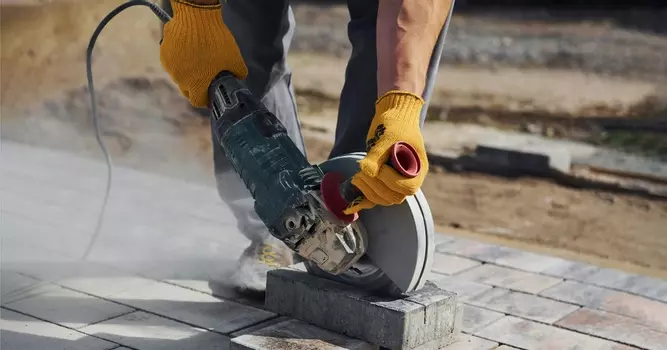
- Cutting concrete or masonry with disc cutters or saws
- Breaking concrete with breakers or pulverisers
- Crushing or processing demolition arisings
- Drilling or coring
- Stripping works where masonry or screed is removed
- Excavation and handling of concrete-based materials
The key issue is that silica dust is not always created in large visible clouds. In many cases, exposure occurs during short, repetitive tasks that are seen as routine. Over time, these small exposures add up.
What Does Silica Dust Look Like?
One of the biggest challenges with silica dust is that it often can’t be seen. Larger dust particles may be visible as a haze or cloud, but the most harmful particles are:
- Microscopic
- Invisible to the naked eye
- Able to remain airborne for long periods
If you can see dust in the air, you can assume that respirable silica may also be present — but the absence of visible dust does not mean the absence of risk.
This is why relying on visual checks alone is not enough. Effective control must be built into the method of work.
Key Demolition Activities That Generate Silica Dust
From our experience at Greenfield Demolition, silica exposure risk is highest during the following activities:
Concrete Breaking and Reduction:
Handheld breakers and mechanical plant attachments generate significant dust, especially in dry conditions.
Saw Cutting and Disc Cutting:
Cutting slabs, walls, or structural elements is one of the highest-risk activities if controls are not in place.
Crushing and Processing Materials:
On-site crushing of concrete and masonry can release large volumes of respirable dust without proper suppression.
Strip Out Works:
Removing screeds, blockwork, and masonry internally can lead to prolonged exposure, particularly in enclosed spaces.
Loading, Handling, and Stockpiling Arisings:
Dust can be re-released during handling, even after the initial demolition work is complete. Understanding where these risks arise allows us to plan controls before work starts, not after problems appear.
Key Control Measures to Reduce Silica Dust
At Greenfield Demolition, our approach is based on elimination, reduction, and protection, in
that order.
1. Planning and Method Selection
The most effective control starts at planning stage:
- Selecting demolition methods that minimise cutting and breaking
- Using mechanical solutions rather than handheld tools where possible
- Sequencing works to reduce repeat handling
2. Water Suppression
Water remains one of the most effective controls when used correctly:
- Wet cutting rather than dry cutting
- Constant water feed to breakers and saws
- Damping down during mechanical demolition, material processing and loading
3. Dust Extraction and Local Exhaust Ventilation
Where appropriate, we use:
- On-tool extraction systems
- Enclosed cabs with filtered air for plant operators
4. Work Area Control
- Segregating high-dust activities
- Limiting the number of people exposed
- Using exclusion zones, particularly indoors
5. Monitoring and Supervision
Controls are only effective if they are maintained:
- Regular checks on equipment
- Tool Box Talks and Daily Activity Briefings.
- Supervisory oversight during high-risk tasks
- Reviewing methods when conditions change
What Personnel Should Wear During Silica-Generating Activities
Even with strong engineering and administrative controls, PPE remains a critical last line of
defence. For demolition activities that generate silica dust, personnel should wear:
Respiratory Protective Equipment (RPE)
- Correctly selected respirators (often FFP3 or equivalent)
- Face-fit tested for the individual
- Maintained and replaced as required
Eye and Face Protection
- Safety goggles or visors to prevent irritation and injury from dust particles
Protective Clothing
- Suitable workwear to prevent contamination
- Controlled removal to avoid secondary exposure
Good Hygiene Practices
- Washing facilities
- No eating or drinking in dusty areas
- Proper storage of PPE
Crucially, PPE is not a substitute for good planning and control. It supports them.
Our Responsibility as an Industry
Silica dust is not a new risk. What has changed is our understanding of its long-term impact — and our responsibility to act on that knowledge.
At Greenfield Demolition, we believe protecting our workforce means looking beyond immediate accidents and addressing health risks that may not show consequences for years. That requires leadership, investment, and sometimes difficult decisions when productivity and protection come into conflict.
The reality is simple: silica-related illness is preventable. With the right controls, the right behaviours, and the right culture, exposure can be reduced to a minimum.
As an industry, we owe it to our people to take this risk seriously — even when it’s invisible.